

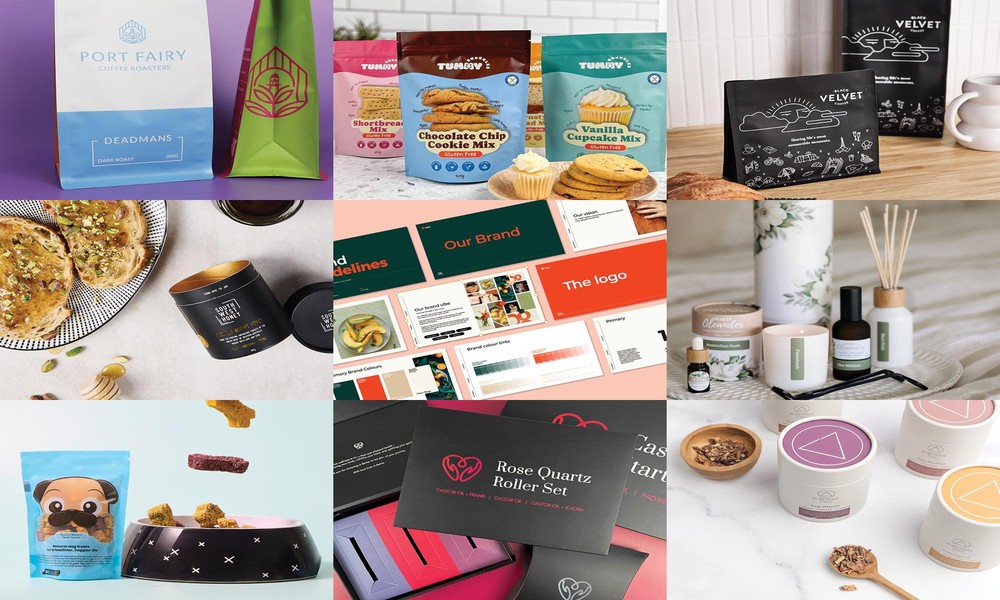
If you are already thinking seriously about packaging design, you are likely past the surface questions. You know packaging matters, you know it affects sales and trust, and you know mistakes cost time and money. My role here is to help you think clearly about how to approach packaging design in Australia, what to focus on, and how to avoid problems that slow projects down.
I have spent years reviewing packaging outcomes across many industries. I look at what works in real production, not theory. I also pay attention to where brands get stuck. Early planning, practical design, and choosing the right support are usually the difference between packaging that works and packaging that causes stress.
If you are exploring professional custom packaging design, this guide will help you understand what to expect, how to think about the process, and how to choose support that fits your stage and budget.
Why packaging design decisions matter early
Packaging design affects more than how your product looks. It affects print quality, lead times, costs, and how smoothly your product reaches the shelf.
I often see brands invest time into visuals without thinking about how those visuals will be produced. This leads to designs that look good on screen but fail during printing or assembly. Fixing those issues later costs more than planning correctly at the start.
Good packaging design should balance three things:
- Brand clarity and visual appeal
- Real production limits
- Future use across product ranges
When these work together, packaging becomes easier to manage and easier to scale.
How product packaging design should be approached
Product packaging design works best when it starts with purpose. I always advise stepping back before any design begins and asking clear questions.
Think about:
- Where the product will be sold
- How the customer will interact with the packaging
- How many variations you may need later
- What finishes and materials are realistic
Design choices should support these answers. When packaging design ignores them, problems appear later during print setup or production approval.
This is where working with designers who understand production becomes valuable. Design and manufacturing cannot be separated if you want reliable outcomes.
What custom packaging design services should actually provide
Not all custom packaging design services offer the same level of support. Many focus only on visuals. That approach leaves gaps that you may need to fill yourself.
Strong design support should include:
- Guidance on materials and print methods
- File setup that is ready for production
- Clear handling of dielines and finishes
- Support for labels, boxes, and flexible formats
The Packaging People structure their design services around real production needs. They design with manufacturing limits in mind, which reduces risk and avoids delays. This matters if you want packaging that moves smoothly from concept into print.
Designing packaging without in house experience
If you do not have in house design experience, packaging can feel confusing. I see this often with startups and growing brands.
Common issues include:
- Canva files that are not print ready
- Incorrect color setups
- Missing bleed or trim settings
- Designs that do not align with dielines
The Packaging People work with many clients who start in this position. They provide step by step guidance and fix issues that block production. This allows you to focus on your product rather than learning technical print rules from scratch.
Visual identity and packaging alignment
Packaging design works best when it connects to a clear brand system. If your brand visuals are not defined, packaging becomes inconsistent over time.
Visual identity design helps create:
- A clear logo system
- Consistent colors and typography
- A defined look that works across packaging formats
The Packaging People offer visual identity support for businesses that need a foundation before packaging begins. This helps packaging stay consistent across boxes, labels, and future product lines.
Label design and technical accuracy
Label design is one of the most overlooked areas of packaging. Labels may look simple, but they require precision.
Good label design considers:
- Material behavior during printing
- Machine limitations
- Finish alignment
- Adhesion and placement
Because label production is often handled in house, The Packaging People design labels with print accuracy in mind. This reduces errors and improves final appearance.
Dielines and print ready artwork
Dielines define how artwork fits onto packaging. Errors here cause production delays or rejected files.
I recommend working with teams that handle:
- Factory supplied dielines
- Layer management
- Special finishes and mixed materials
The Packaging People manage this technical setup carefully. This is especially helpful when projects are close to production and need precise alignment.
Why production knowledge matters in design
Design that ignores production limits creates risk. Design that respects them creates confidence.
The Packaging People maintain direct communication with production teams. This allows faster decisions, fewer revisions, and clearer expectations. It also helps future proof designs that may be reused or adapted later.
Choosing a packaging design partner in Australia
When choosing packaging design support in Australia, I suggest looking beyond visuals.
Consider:
- Experience with real production
- Clear pricing without agency level costs
- Communication with manufacturing teams
- Support for multiple packaging formats
The Packaging People meet these criteria for many businesses. They support startups, established brands, and growing product ranges without unnecessary complexity.
Final guidance before you begin
If you take one thing from this guide, let it be this. Packaging design works best when it is practical, production aware, and planned early.
I recommend working with teams who understand both design and manufacturing. This approach reduces risk, saves time, and leads to packaging that performs as intended.
If you approach packaging design with clarity and the right support, you give your product the best chance to succeed from the first print run onward.
