

Why evaluate carefully?
Selecting the right bottle for a personalization project starts well before any design decision is made. The physical construction, material type, and exterior finish all determine how well a modification holds once applied. Custom Nalgenes bottles bring a level of surface consistency and structural reliability that makes this evaluation process considerably more straightforward. Tritan construction maintains clarity without softening over years of active handling, while HDPE offers a denser wall with a naturally matte finish suited to specific modification processes. Knowing which variant fits the project requirement saves time during production and reduces the chance of poor results after application. Bottle geometry also plays a direct role. A uniform diameter across the full body keeps design placement accurate and repeatable, which matters in production environments where consistency across multiple units is expected.
What features matter?
Material type is the first feature worth examining closely. Not every bottle surface accepts all modification techniques equally, and this mismatch is where most customisation problems begin. Tritan surfaces work well with printed methods due to surface clarity and smoothness. HDPE takes engraving and screen processes more cleanly, given its denser composition. Wall thickness is another consideration. Thicker walls hold engraved marks with better definition and give the finished piece a more substantial feel overall. Capacity also affects design placement decisions. Larger bottles offer more usable surface area, which suits complex or wraparound artwork. Smaller formats work better for focused placements like single logos or text marks. Lid compatibility matters too, particularly when the customisation extends beyond the body to include cap or closure areas as part of the finished design.
Surface compatibility check
Getting surface compatibility right before committing to a technique saves considerable rework later. Smooth exteriors accept printed methods cleanly, producing sharp edges and consistent colour across the full design area. Textured or embossed surfaces create uneven ink contact, which softens detail and reduces overall print clarity.
Frosted and matte exteriors respond differently to laser processes compared with gloss finishes. A frosted surface produces a subtler engraved result, while gloss amplifies the contrast between the engraved mark and the surrounding material. Matching the surface type to the chosen method is not a minor detail. It directly shapes how the finished customisation reads and how long it maintains that appearance under regular use.
Capacity and design
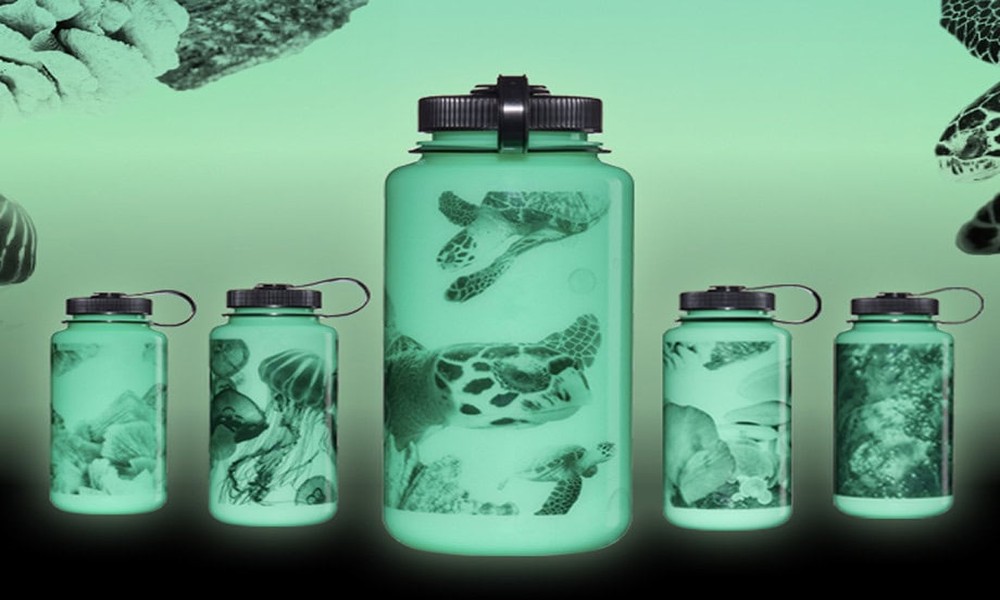
Bottle capacity and design space are more connected than most people initially consider.
- Larger formats provide more surface coverage, making wraparound and multi-element designs genuinely workable.
- Mid-size bottles suit single-panel artwork or logo placements without the design feeling lost in open space.
- Smaller formats work best with focused, minimal mark placements where simplicity carries the visual.
- Tall, narrow profiles change how horizontal and vertical design orientations read on the finished piece.
Selecting capacity without accounting for design scale frequently produces finished pieces where the artwork feels poorly proportioned. Matching bottle size to design intent from the beginning produces results that look considered and hold visual balance across the full exterior.
Every feature evaluated during selection directly shapes what the finished customisation achieves. A bottle chosen with the modification process in mind gives the design the best possible foundation to perform well and last.
