

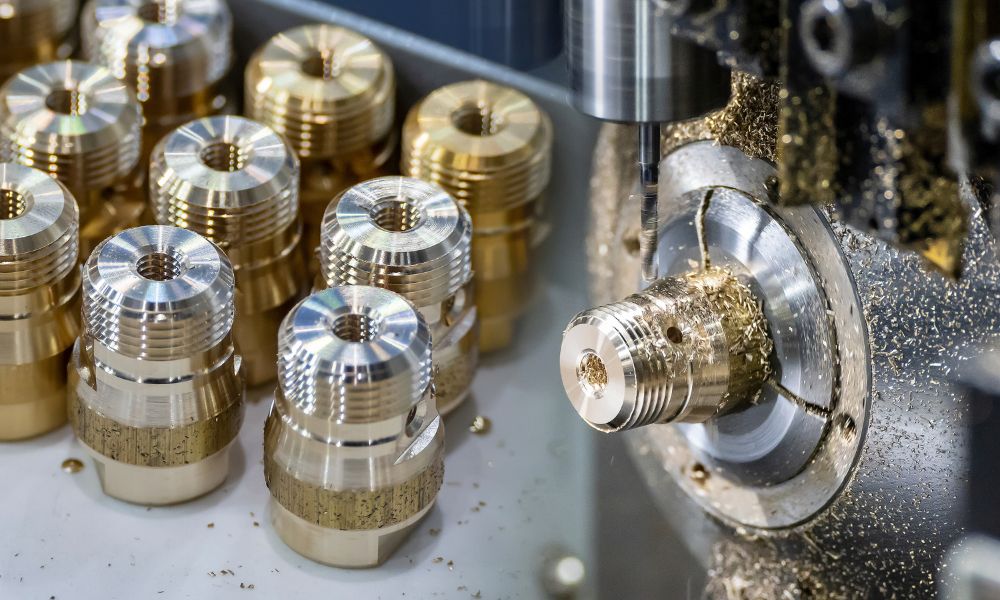
Production success depends on strict standards and disciplined inspection methods. Manufacturing confidence rises when accuracy remains stable across every process stage. Many organizations connect reliability with structured review and testing routines. The phrase machining vietnam reflects steady progress through organized quality systems. Trust grows when results meet consistent performance expectations.
Standards guiding production excellence
Clear rules define acceptable results and reduce uncertainty. Uniform methods support dependable manufacturing outcomes.
Inspection methods improving consistency
Measurement practices strengthen control and reduce variation. Monitoring systems guide correction and prevent repeated mistakes.
Process monitoring and evaluation
Continuous observation improves control and accountability. Review systems highlight problems before they affect output.
- Visual checks identify surface defects through careful observation methods
- Tool calibration maintains accuracy through repeated adjustment routines
- Data logs record performance through detailed activity tracking
- Routine audits confirm standards through scheduled verification steps
- Error analysis improves methods through structured corrective planning
Technology-assisted quality management
Modern tools improve the speed and precision of inspections. Automation supports consistent evaluation across production cycles.
- Sensor systems detect faults through real-time performance signals
- Digital records support clarity through stored inspection results
- Software alerts prevent defects through early warning messages
- Image scanning verifies dimensions through camera-based measurement
- Automated testing increases reliability through repeated programmed checks
Human oversight and accountability
Skilled supervision ensures standards remain active. People guide quality through judgment and responsibility.
- Supervisor reviews maintain order through disciplined evaluation procedures
- Training sessions improve awareness through technical knowledge sharing
- Feedback meetings strengthen practice through open communication channels
- Responsibility roles assign ownership through defined task control
- Observation routines reduce risk through constant workplace attention
Material control and handling discipline
Material quality influences final output reliability. Careful handling prevents damage and variation.
- Storage rules protect materials through organized placement systems
- Identification tags improve tracking through clear Labeling practices
- Usage limits reduce waste through planned consumption methods
- Transfer checks prevent mix-ups through controlled movement routines
- Condition reviews ensure suitability through surface and strength checks
Documentation and reporting practices
Records support improvement through visible performance history. Reports guide decisions through factual evidence.
- Production charts show trends through simple visual summaries
- Inspection forms record findings through standardized documentation
- Review reports highlight issues through structured explanation notes
- Compliance files support audits through stored verification data
- Improvement logs track change through continuous update records
Why do quality systems influence market reliability?
Quality systems protect consistency and strengthen buyer confidence. Stable output increases acceptance across demanding production environments. Reliability grows when inspection becomes part of daily operations.
How do inspection tools reduce production defects?
Inspection tools identify problems before the distribution stages. They guide corrections through visible performance feedback.
- Measurement devices verify size through exact numerical comparison
- Scanning systems detect cracks through detailed surface imaging
- Testing units confirm strength through controlled pressure methods
- Monitoring panels display errors through alert indicators
- Verification steps prevent faults through repeated review cycles
Why does documentation support operational trust?
Documentation proves consistency and guides accountability. Clear records reduce disputes and improve communication. Trust depends on evidence and transparency.
Reliability Path
Manufacturing strength grows from discipline and careful monitoring. Stable results require attention and structured control systems. Progress depends on a balance between tools and human judgment. Long-term acceptance follows accuracy and responsible practice.
