

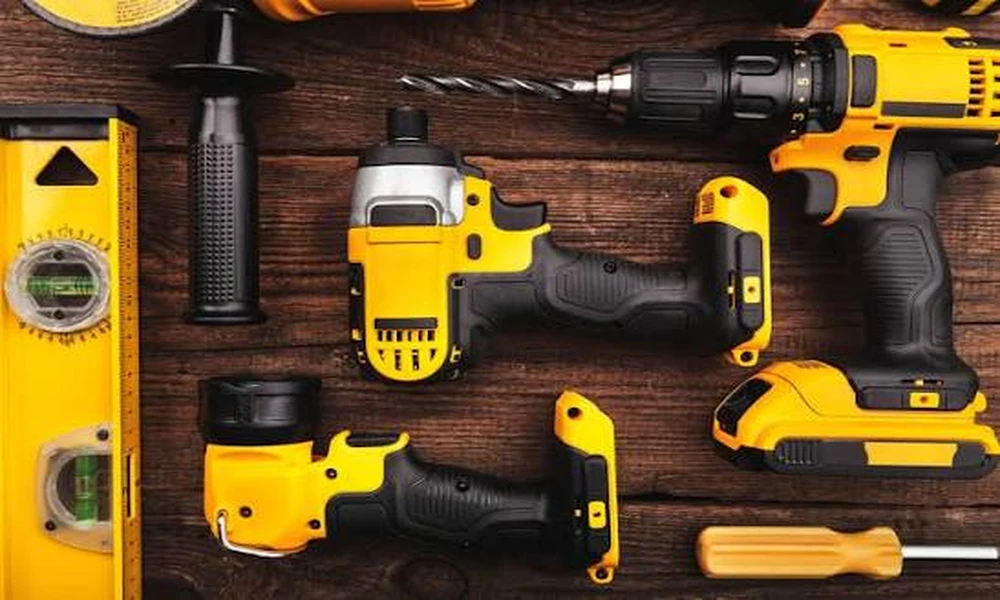
Few purchases test your judgment quite like buying power tools. The right choice can make projects smoother, safer, and more satisfying; the wrong one ends up as a costly regret collecting dust. Striking that balance between high performance and a sensible budget means navigating brand promises, technical jargon, and seemingly endless options.
Understanding the Trade-Off: Performance vs. Budget in Power Tools
At the heart of every power tool decision is a simple equation: How much performance do you actually need, and what are you willing to pay for it? A reliable power tool is more than just power output or speed. It is about consistent performance, solid build quality, ergonomic comfort, and a reputation for getting the job done without costly breakdowns. For professionals, reliability can mean the difference between meeting deadlines or losing business. For DIYers, it is about avoiding frustration and injury.
But budgets are real. Setting a realistic spending limit forces you to prioritize. Are you equipping a full workshop or just covering the basics? Will the tools see daily use or only come out for the occasional home project? That context shapes every decision.
Finding the sweet spot matters for everyone. A pro who overspends on features they rarely use hurts their bottom line. A hobbyist who saves upfront, but faces constant repairs, ends up spending more in the long run.
Comparing Power Tool Brands: Value and Reliability
Brand loyalty runs deep in the power tool world, but not all reputations are created equal.
DeWalt: Premium Performance with Professional Appeal
DeWalt’s tools are a fixture on job sites, prized for their durability, power, and comprehensive range. Their wide selection, covering everything from impact drivers to oscillating multi-tools, means you can build a cohesive kit without compatibility headaches.
Milwaukee: Innovation Meets Durability
Milwaukee stands out for battery innovation and a focus on trade-specific needs. Their M18 and M12 platforms are praised for runtime and power, making them favorites among electricians and plumbers.
Makita and Metabo-HPT: Mid-Range Contenders
Makita holds a strong reputation for reliable motors and a user-friendly design, often at a slightly lower price point than DeWalt or Milwaukee. Metabo-HPT (formerly Hitachi) is a dark horse: less flashy, but with excellent value and respectable build quality.
How Brand Reputation Influences Price and Quality
Often, you pay a premium for fewer breakdowns, better support, and a more refined user experience, but that premium is not always justified for light use.
Corded vs. Cordless: Performance and Cost Implications
Cordless tools changed the game with their portability, but what do you sacrifice, and at what cost?
| Aspect | Corded Tools | Cordless Tools |
|———————-|—————————|————————|
| Power Output | Typically higher, steady | Improving, but varies |
| Runtime | Unlimited (plugged in) | Limited by battery |
| Initial Investment | Lower (no batteries) | Higher (batteries, chargers) |
| Portability | Limited by cord | Go anywhere |
Corded models are cost-effective and deliver consistent power, ideal for heavy-duty tasks in a fixed space. Cordless is unbeatable for flexibility, faster setup, and working in tight spaces, but batteries drive up the cost and may need replacement.
Essential Power Tools: Prioritizing Your Purchases
For most users, these tools form the backbone of a capable kit:
– Drill/driver
– Circular saw
– Impact driver
– Jigsaw
– Orbital sander
If budget is tight, start with essential corded versions and expand as funds allow. Combo sets can offer serious savings over buying individually, especially from trusted brands.
Features That Impact Both Performance and Price
Do not overlook the small details. Brushless motors boost efficiency and lifespan, but add cost. High-capacity batteries mean longer runtime, but are heavier and pricier. Ergonomics, balanced weight, comfortable grips, reduced vibration, matter just as much for all-day use. Likewise, a solid warranty and reliable access to replacement parts safeguard your investment.
Smart Buying Strategies to Maximize Value
Timing is everything. Sales around major holidays or end-of-season clearances can slash prices on even premium models. Sites offering a wide selection and solid return policies, like DeWalt power tools at GSM Depot, make it easier to compare options and find deals that fit your needs. Always check what warranties cover and how easy it is to get support, especially if you rely on tools for your livelihood. Sometimes, paying a little more upfront saves a lot of headaches later.
Case Studies: Balancing Act in Real-World Scenarios
Consider the contractor who invests heavily in top-tier cordless kits. For them, tool downtime equals lost income, a risk not worth cutting corners on. The hobbyist, in contrast, can get great value from reputable mid-range brands, buying only what they need for specific projects. Small business owners might blend strategies, mixing flagship tools for critical tasks with cost-effective alternatives for less demanding jobs.
Final Recommendations: Tailoring Choices to Your Needs
Start by honestly assessing your workload. Build your kit around your most common tasks, prioritizing reliability for the tools you will use most. Look for options that allow you to expand over time, such as modular battery platforms. Remember, the “best” tool is not the priciest, but the one that consistently does what you need, without draining your wallet. With a little research and strategic timing, you can build a tool arsenal that balances performance, reliability, and budget at every step.
